

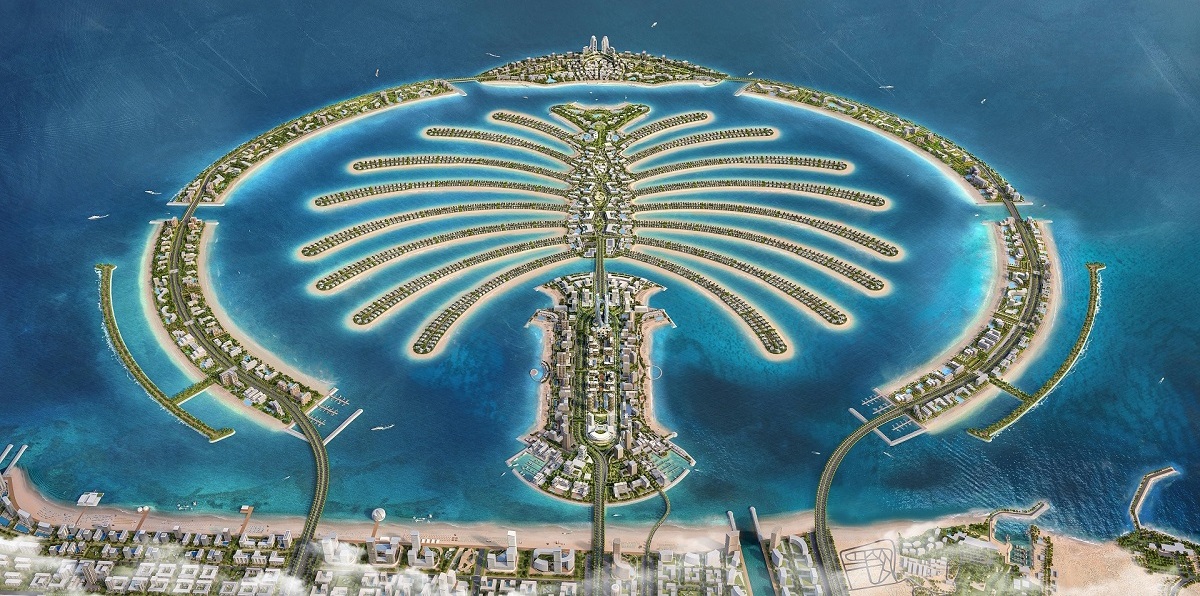
Palm Jumeirah remains one of Dubai’s most established luxury property markets in 2026. Nakheel developed the man-made island into a major residential, hotel and leisure destination. Its limited land supply, strong international demand and established reputation continue to support its property market. Palm Jumeirah is mainly suited to buyers who want an established location, access […]
Palm Jumeirah remains one of Dubai’s most established luxury property markets in 2026. Nakheel developed the man-made island into a major residential, hotel and leisure destination. Its limited land supply, strong international demand and established reputation continue to support its property market.
Palm Jumeirah is mainly suited to buyers who want an established location, access to rental income and long-term property value. It is different from newer areas where investors may accept more development risk in return for a lower entry price.
Current Palm Jumeirah Property Market in 2026
Property prices on Palm Jumeirah vary widely based on the building, view, size, condition and exact location.
Apartment Prices
Apartments generally trade at around AED 2,200 to AED 4,500+ per sq ft. Median prices can range from about AED 3,300 to AED 4,100 per sq ft, depending on the period and property segment.
Typical price ranges include:
- 1-bedroom apartments: around AED 2 million to AED 4 million
- 2-bedroom apartments: around AED 3.5 million to AED 7.5 million or more
- Larger apartments: often command higher prices based on size, views, location and building quality
- Branded residences: usually sell at a premium because of their brand, services and positioning
The apartment market has remained firm even when transaction volumes have changed. Several market periods have recorded year-on-year price growth, supported by limited supply and continued demand for waterfront homes.
Villa Prices
Palm Jumeirah villas sit at a much higher price level.
Garden Homes commonly trade around AED 20 million to AED 45 million, although renovated homes and properties with stronger views can sell for more.
Signature Villas and larger mansions can range from around AED 60 million to AED 100 million+.
Villa prices can also exceed these ranges for highly upgraded homes, larger plots and prime waterfront positions. Price per sq ft can often reach AED 4,000 to AED 7,500+.
This makes the villa market more focused on high-net-worth buyers than the apartment market.
Rental Yields on Palm Jumeirah
Rental income remains an important part of the Palm Jumeirah investment case.
Long-term apartment rentals generally produce gross yields of around 4.5% to 6.5%. Well-managed furnished properties used for short-term rentals can sometimes produce effective gross yields of around 7% to 9%, depending on occupancy, season and operating costs.
Villas generally produce lower gross yields, often around 3.5% to 5%.
The difference is mainly linked to the high purchase price of waterfront villas. Rental income can be strong in absolute terms, but the yield percentage is often lower than that of smaller apartments.
Investors also need to account for costs. Service charges can range from around AED 18 to AED 30+ per sq ft in some buildings, with higher charges possible in premium developments. Management fees, maintenance, furnishing and other operating costs can reduce the final return.
After these costs, net yields may fall into the range of roughly 3% to 4.8%, depending on the property and rental strategy.
Short-term rentals benefit from Dubai’s tourism market, major events, hotels and beaches. Long-term tenants include senior executives, high-income expatriates, families and other residents seeking a waterfront address.
Property Types and Investment Profiles
Palm Jumeirah has several property types. Each serves a different buyer and investment purpose.
Apartments
Apartments across the Trunk, Shoreline, Golden Mile and Crescent areas provide the most accessible entry point into Palm Jumeirah.
One- and two-bedroom units are particularly relevant to investors looking for rental income. They generally require less capital than villas and have a wider potential tenant pool.
Branded residences linked to names such as Atlantis, FIVE, Serenia, Omniyat and Six Senses can command higher prices. Buyers should compare the premium against the expected rental income, service charges and resale demand.
Villas on the Fronds
Frond villas focus more on privacy, space and waterfront access.
Private beach access is one of their main value drivers. The supply of these homes is limited, which supports their position within Dubai’s high-end residential market.
Villas are generally more suitable for buyers with a longer investment horizon or for families who plan to use the property themselves. Rental yields are usually lower when measured against the purchase price.
Penthouses and Ultra-Luxury Homes
Penthouses and other ultra-luxury properties sit at the top end of the Palm Jumeirah market.
These homes can command very high prices because of their size, views, location, services and scarcity.
They are usually purchased for a combination of personal use, wealth preservation and long-term value rather than rental yield alone.
Palm Jumeirah Resale Market
Palm Jumeirah has an established secondary market.
This gives buyers access to both resale properties and newer or recently completed homes. Compared with a new off-plan location, investors can also study actual rental activity, previous transactions and property performance before buying.
However, liquidity is not the same for every property.
A well-priced apartment in a popular building may appeal to a wider group of buyers than a very expensive villa or highly customised penthouse. The size of the buyer pool becomes increasingly important as property prices rise.
Benefits of Investing in Palm Jumeirah
Established Property Market
Palm Jumeirah has a long operating history as a major residential and tourism destination. Buyers are not investing in a community that is still waiting for its basic infrastructure.
Limited Waterfront Supply
The island has a fixed geographic footprint. New supply cannot be added in the same way as on large mainland development sites.
This limited supply is one of the factors supporting its long-term appeal.
Rental Demand
Palm Jumeirah attracts both long-term residents and short-term visitors.
The island’s hotels, restaurants, beaches and leisure facilities support tourism demand. Its reputation also attracts high-income residents who want a waterfront home.
Strong Connectivity
Palm Jumeirah has direct road access to Sheikh Zayed Road. Dubai Marina can be reached within a short drive, while other central business and residential districts are also accessible by road.
The Palm Jumeirah Monorail provides another transport option for residents and visitors.
International Buyer Demand
Palm Jumeirah is well known among international property buyers. Its name, waterfront setting and established luxury market give it strong visibility outside the UAE.
Foreign buyers can purchase freehold property on Palm Jumeirah.
Risks and Limitations
Palm Jumeirah also has factors that investors need to consider.
High Entry Prices
The biggest issue for many buyers is the initial cost.
High purchase prices can reduce rental yields and increase the amount of capital required to enter the market.
Service Charges and Running Costs
Premium buildings can have significant service charges.
Villas can also require higher spending on maintenance, landscaping, pools and private facilities. These costs need to be included when calculating the actual return.
Mature Market
Palm Jumeirah is an established market. Future price growth may not follow the same pattern as a newer area during a strong development cycle.
Limited supply can support values, but it does not remove market risk.
Traffic and Access
The island can experience heavier traffic during busy periods, weekends and major events.
Travel times can also vary depending on the location of the property and road conditions.
Global and Dubai Market Cycles
Palm Jumeirah remains part of Dubai’s wider property market.
Changes in interest rates, global economic conditions, buyer sentiment and Dubai’s luxury property cycle can affect prices and transaction activity.
Historical performance should not be treated as a guarantee of future returns.
Palm Jumeirah vs Palm Jebel Ali
Palm Jumeirah and Palm Jebel Ali are both Nakheel developments, but their investment profiles are different.
Palm Jumeirah is an established luxury market. It has operating infrastructure, existing residents, hotels, retail, restaurants and a mature resale market. Buyers can also access rental income soon after purchase, depending on the property.
Palm Jebel Ali is a much newer development. Large parts of the project are still under construction. It offers a different type of opportunity, with new infrastructure, larger planned development and a longer development timeline.
Palm Jumeirah generally requires a higher entry price, particularly for prime waterfront villas. Palm Jebel Ali may offer lower entry prices for comparable new-build products, but buyers also take on longer delivery periods and development-related risks.
The two locations therefore suit different investment plans.
Palm Jumeirah is more relevant to buyers who want an established waterfront market and current rental activity.
Palm Jebel Ali may appeal to buyers who are prepared to hold property for longer while the new community develops.
Palm Jumeirah Property Outlook in 2026
Palm Jumeirah remains an established part of Dubai’s luxury residential market in 2026.
Its main strengths are limited waterfront supply, an established property market, international demand, tourism activity and a wide range of residential products.
The main trade-off is price. Buyers need substantial capital to enter the market, while service charges and other ownership costs can reduce net rental returns.
For investors, the key question is therefore not simply whether Palm Jumeirah is a strong property location. The more useful question is which property type, building and price point offers the right balance between rental income, ownership costs and long-term value.
Apartments, villas and ultra-luxury homes can perform very differently. A careful comparison of purchase price, rental income, expenses, location and resale demand is essential before making an investment decision.